
TL;DR
A home decor story describing a bright white bedroom transformed into a green, “forest-inspired” space is drawing attention online. Interest in dark-green, plant-filled bedroom decor has been building for years, but what specifically triggered the current surge in coverage is unconfirmed.
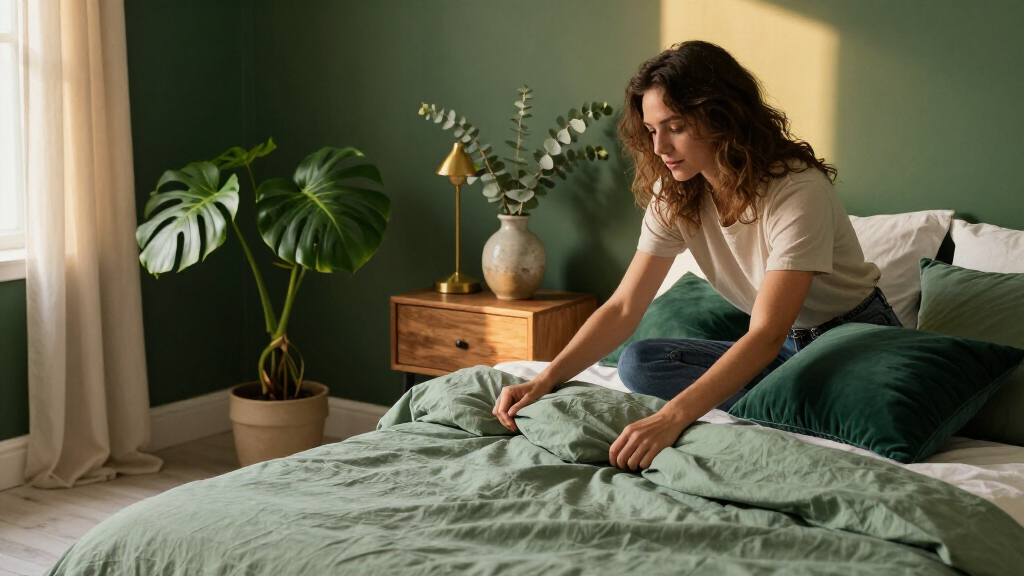
A home decor feature describing a bright white bedroom reworked into a green, forest-inspired space is generating attention online, adding to a visible wave of editorial and search interest in dark-green bedroom design. The piece, surfaced through an RSS feed under the home category with the title “A Bright White Bedroom Is Now a Green Cocoon ‘Inspired by the Forest'”, presents a before-and-after makeover in which white walls and pale furnishings give way to layered greens and natural materials.

Get decor and gifts delivered free with Prime
- Fast, free delivery on millions of items
- Prime Video, Amazon Music and more included
- Member-only deals all year
Based on the title and category metadata — which is the only verified information available about the specific feature — the story documents a single residential bedroom transformation. The phrasing signals two established design ideas: the rejection of an all-white palette, sometimes called “white fatigue” in interior design coverage, and the adoption of biophilic design, an approach that brings natural colors, plants, wood, and organic textures into interior spaces.
What is confirmed at the broader trend level is substantial. Deep green paint colors — shades marketed under names like forest green, hunter green, sage, and olive — have been fixtures on paint manufacturers’ trend forecasts and bestseller lists for several years. Major paint brands have repeatedly named green tones among their colors of the year, and interior design publications have run recurring coverage of “green rooms,” dark-painted bedrooms, and maximalist, plant-filled interiors throughout the 2020s.
What is not confirmed is the specific makeup of the featured room, the designer or homeowner involved, the publication and date of the original feature, and whether the makeover has any professional scope beyond a personal project. The available metadata does not name a designer, a location, a publication, or a timeframe. Any details beyond the title’s description of a white-to-green bedroom makeover are unknown.
Why Green Bedrooms Keep Trending
For readers planning a bedroom repaint or refresh, the resurgence of forest-green bedrooms matters for practical reasons. Dark green is a low-risk way to add color: it pairs easily with wood, brass, cream, and black accents, and it works in rooms that get limited daylight because the effect is intended to be enveloping rather than bright. The “cocoon” framing in the feature’s title reflects a broader shift in bedroom design toward moody, sleep-focused interiors — deeper wall color, layered textiles, and blackout-friendly palettes — rather than the airy all-white look that dominated the 2010s.
The trend also has a cost dimension. Repainting a bedroom in a saturated color is one of the cheapest high-impact renovations available, and interest in DIY paint projects rose sharply during and after the pandemic-era home improvement boom. A white-to-green makeover story is, in effect, a template readers can copy with a few gallons of paint, which is a large part of why such before-and-after features consistently draw traffic.
Products Worth Considering

Samsung 65-Inch M70H Series 4K Mini LED Smart TV (2026)

eufy C28 Robot Vacuum and Mop with 15,000 Pa Suction

TCL 85-Inch QM64L QD-Mini LED 4K Smart Fire TV
As an affiliate, we earn on qualifying purchases.
From All-White to Biophilic Decor
The all-white bedroom was the default of interior design coverage for roughly a decade, associated with Scandinavian minimalism and the “bright and airy” aesthetic popularized on platforms like Pinterest and Instagram. Coverage of that look’s decline — often framed as fatigue with high-maintenance white upholstery and sterile palettes — has run in design media since around 2020.
Green stepped into that gap from two directions. First, paint companies and design publications spent years promoting green as a versatile, calming alternative, aided by the broader houseplant boom that made foliage a normal feature of living spaces. Second, biophilic design — the practice of connecting interiors to nature through color, material, and plants — moved from commercial architecture into mainstream residential coverage. A bedroom described as “inspired by the forest” sits squarely within that lineage, combining deep green walls with natural wood and plant life.
“A Bright White Bedroom Is Now a Green Cocoon ‘Inspired by the Forest'”
— Feature title, via RSS feed metadata
What the Metadata Doesn’t Show
Several things remain unclear. The original publication, author, date, and location of the featured makeover are not identified in the available metadata. It is not known whether the project was professionally designed or a homeowner DIY effort, what products or paint colors were used, or what the makeover cost. The claim that the room is “inspired by the forest” is the feature’s own framing and cannot be independently verified. The reason this particular feature is circulating now — whether driven by a seasonal design cycle, a social media pickup, or publication timing — is also unconfirmed.
Reading the Green Decor Cycle
Readers can expect continued editorial coverage of green and dark-toned bedrooms through the autumn and winter decorating seasons, when moody interiors traditionally receive more attention. Paint brands typically release annual color forecasts in late autumn, and green shades are likely to remain prominent given their multi-year presence on those lists. For anyone considering a similar makeover, standard practice applies: test dark paint colors on large swatches under both daylight and evening light before committing, use primer when covering white walls with saturated color, and ventilate rooms properly while painting. No specific follow-up to the featured project has been announced or is expected, since the underlying publication details are unknown.
Key Questions
What is the news here, exactly?
A home decor feature describing a white bedroom transformed into a green, forest-inspired space is drawing interest online. The specific details of the project are not published in the available metadata; the confirmed facts are limited to the feature’s title and home-category classification.
Is green bedroom decor a new trend?
No. Deep green has been prominent in interior design coverage and paint brand forecasts for several years. What is current is the renewed attention this particular before-and-after feature is receiving.
Is this a DIY project or a professional redesign?
That is unclear. The available metadata does not say whether the makeover was professionally designed or done by the homeowner.
Why do ‘cocoon’-style bedrooms appeal to people right now?
Design coverage in recent years has shifted toward sleep-focused, enveloping interiors with deeper color and layered textiles, positioned as a reaction against the all-white minimalist look of the 2010s. The “cocoon” framing reflects that broader preference for cozy, enclosed-feeling rooms.
Can I replicate this look affordably?
Repainting is generally the lowest-cost route, and dark green pairs well with existing wood and neutral furnishings. Test colors on large swatches first, prime over white walls, and ventilate properly while painting.
Source: rss