
TL;DR

Get decor and gifts delivered free with Prime
- Fast, free delivery on millions of items
- Prime Video, Amazon Music and more included
- Member-only deals all year
Hunker published a roundup of 16 ways to reuse concrete blocks around the home and garden, including planters, tables, stairs, privacy walls and water features. The ideas range from simple arrangements to projects that need stable foundations, waterproofing, reinforcement or permits; the article does not provide tested construction plans.
Hunker has published a 16-idea roundup showing how concrete blocks can be reused for home and garden projects, from planters and tables to stairs, walls and fountains. The article highlights the material’s durability and regular shape, while noting that larger or permanent builds may require additional structural work and checks on local rules.
The suggestions include using blocks as supports for a TV stand, table or nightstand, with wood or stone tops added to create a usable surface. Shelves can be placed through openings or between stacked blocks, and fabric can conceal a stand’s structure. The article cautions that tables need stable, aligned supports and that securing the top can help prevent it from sliding.
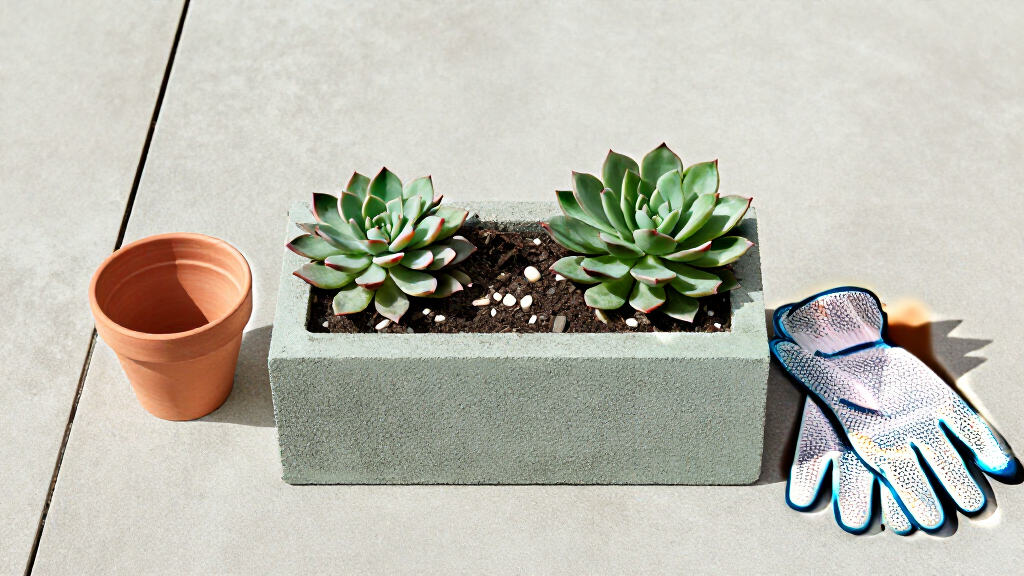
For gardens, the blocks’ openings can hold small plants, allowing gardeners to arrange them as individual planters, towers or walls. Hunker recommends putting mesh or landscape fabric at the base of planting holes to keep soil from escaping. Other decorative suggestions include painting blocks, stacking them into sculptures, or using them as part of a mural or seasonal display.
The more involved projects include stairs, privacy walls, fountains and small pools. Hunker describes layered blocks as a possible basis for temporary steps, while permanent outdoor stairs need a firmer sublayer and filled gaps. A pool requires reinforced block walls and waterproof coating, the article says; a fountain also needs waterproofing to limit leaks. These descriptions are ideas, not a substitute for project-specific construction plans.
From Leftovers to Useful Features
For readers with unused or reclaimed blocks, the roundup offers ways to put a common building material to work instead of leaving it in storage. Simple furniture and planters can be assembled from a small number of pieces, while paint, fabric and wood can change the appearance without hiding the blocks’ basic structure.
The projects also differ sharply in their demands. A planter or low side table is not comparable to a permanent stairway, pool or masonry wall. The latter can carry loads, retain water or affect yard access, so stability, drainage, reinforcement and local requirements matter. The article’s value is as a menu of ideas; readers still need to judge whether a design is appropriate for its intended use.
As an affiliate, we earn on qualifying purchases.
What the Roundup Covers
Hunker’s report describes concrete blocks as durable, regularly shaped and relatively inexpensive, and notes that some readers may already have leftovers or be able to find reclaimed blocks. It also says that many cinder blocks are concrete blocks, but advises watching for damage because the materials can differ.
The 16 concepts span indoor furniture, garden decor and construction-style projects. Alongside planters, tables, a TV stand, stairs, privacy features, art and water features, the source excerpt specifically describes a nightstand and several ways to adapt block arrangements. It does not supply a complete bill of materials or engineering specifications for every project.
““Concrete blocks are generally easy to repurpose, since they have a regular shape and excellent durability.””
— Hunker
As an affiliate, we earn on qualifying purchases.
Plans and Project Limits
The source material does not identify the roundup’s publication date, provide construction drawings, or report that any of the projects were independently tested. It also does not specify block dimensions, load ratings, foundation depth or waterproofing products. Those details can affect whether a design is safe and suitable for a particular site.
It is also unclear which local permits or building rules would apply to a specific wall, stairway or pool; requirements vary by location and project. Readers should not treat the article’s brief descriptions as confirmation that a build will meet local codes or safely support its intended loads.
As an affiliate, we earn on qualifying purchases.
Check Before Building
Before starting, readers should inspect reclaimed blocks for damage and decide whether the project is decorative, temporary or permanent. For furniture, check that supports are aligned and stable and secure tops where needed. For planters, line the openings as Hunker recommends and consider how water will drain.
For permanent stairs, walls, pools or other substantial masonry work, check local permit and code requirements and seek qualified professional guidance where needed. Pool and fountain designs call for appropriate reinforcement and waterproofing; the source does not provide enough detail to specify those systems. The next step is project-specific planning, not assuming that a general DIY idea is a construction plan.
As an affiliate, we earn on qualifying purchases.
Key Questions
What kinds of projects does Hunker suggest?
The roundup includes planters, tables, a TV stand, a nightstand, stairs, privacy features, art, fountains and pools, among other home and garden uses.
Can concrete blocks be used as planters?
Hunker says the openings can hold small plants. It recommends placing mesh or landscape fabric at the bottom of the holes to help keep soil and plants from falling through.
Are concrete-block stairs or walls suitable for any site?
Not necessarily. The report describes different approaches for temporary and permanent stairs and advises a firm base and secured blocks for permanent work. Site conditions, intended loads and local rules need to be checked.
Can blocks form the walls of a small pool?
Hunker presents reinforced, waterproofed block walls as a possible starting point, but does not provide engineering plans. It advises checking local regulations for permits; readers should obtain project-specific guidance before construction.
Do cinder blocks work for these ideas?
The article says many cinder blocks are concrete blocks and may be usable, while noting there are differences between the materials. It advises paying attention to damage and condition when reusing them.
Source: rss
Fall Picks
fall essentials
As an affiliate, we earn on qualifying purchases.