TL;DR

Get decor and gifts delivered free with Prime
- Fast, free delivery on millions of items
- Prime Video, Amazon Music and more included
- Member-only deals all year
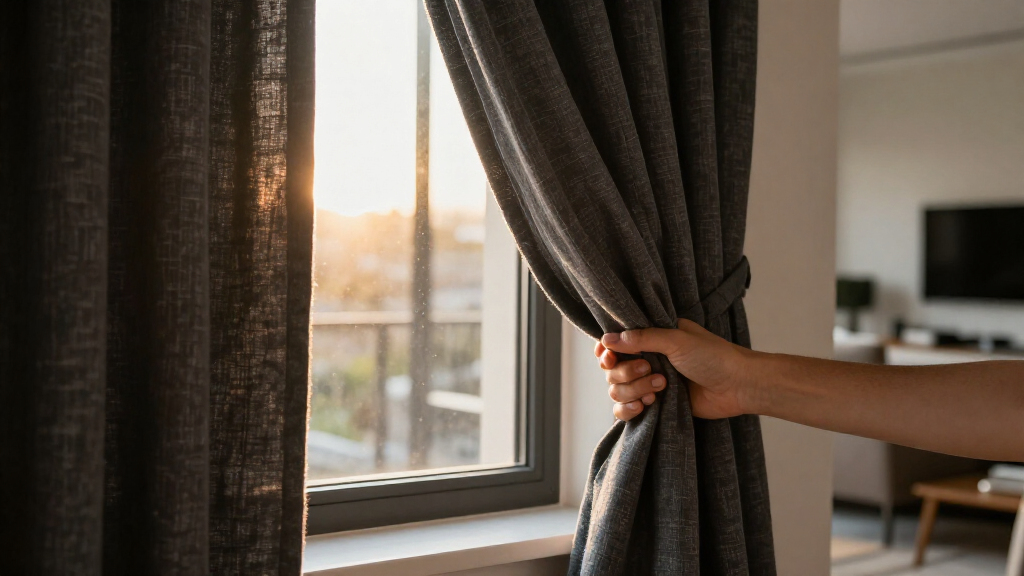
An Ideal Home report says closing curtains shortly before sunset can help reduce heat loss through windows and may make rooms feel warmer. Its writer recorded temperature differences behind and in front of several window coverings, but the observations were from one home and do not establish a typical energy or bill saving.
Closing curtains shortly before sunset can help slow heat loss through windows and may reduce the need for extra heating, according to an Ideal Home report. The article says the benefit varies with the home’s windows, insulation and curtains; it does not quantify a typical reduction in energy use or bills.
The report’s writer says drawing curtains at dusk creates another layer between a room and its windows, which can be a source of heat loss. Keeping that layer closed after daylight fades may help a room retain warmth. The claimed practical benefit is reduced reliance on central heating or portable heaters, but the article does not report measured heating consumption or a bill comparison.
Stuart Middleton, identified by Ideal Home as So Energy’s Consumer Energy Expert, said curtains can help slow the rate at which heat escapes and that thick, well-fitting or thermally lined curtains may be more effective. He cautioned that the amount of energy saved depends on the home and its window coverings, making a precise saving difficult to give.
In the writer’s home, a thermometer reading showed a 2°C difference across thermal curtains after sunset. The writer also reported a difference of just under 1°C across wooden blinds and about 0.5°C across standard curtains. These are observations from one home, not a controlled test or a forecast of how much a household will save on heating.
How Curtains May Reduce Heating Demand
The advice matters to households looking for ways to manage heating use during colder weather, because closing existing curtains requires no purchase and can be timed around sunset. If rooms stay comfortable for longer, occupants may choose to run heating for less time. That is a possible effect, not a guaranteed outcome: the report offers no energy-meter data showing that its writer used less heating or paid a lower bill.
Results may differ substantially between homes. A well-fitted thermal curtain over a drafty window could have a different effect from a thin curtain over modern, well-insulated glazing. The practice also cannot substitute for addressing significant drafts or inadequate insulation. The relevant takeaway is modest: closing curtains is a low-cost step that may improve comfort, while its effect on energy use needs to be judged in each home.
Products Worth Considering
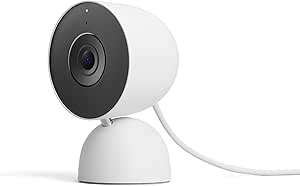
Google Nest Cam Indoor (Wired, 3rd Gen) – Security Camera – Snow

Ring Alarm 14-Piece Wireless Security System Kit

Bose TV Speaker Compact Soundbar with Bluetooth and HDMI-ARC, Black
As an affiliate, we earn on qualifying purchases.
The Report’s Timing and Home Test
Ideal Home frames the advice against colder evenings and expected pressure on household energy costs. Its article states that energy prices rose by 4% in October and cites predictions of increases ranging from 16% to 25% in January. The excerpt does not specify the year, the tariff or the source and assumptions behind those forecasts, so they should not be treated as a verified current price outlook.
The writer says they had resumed closing curtains early over the previous week and compared temperatures on either side of different coverings after sunset. The article recommends closing them shortly before dusk to retain daylight warmth while reducing heat loss afterward. Sunset varies by location and date; the report suggests checking the local time rather than following a fixed clock schedule.
For people away at sunset, the article discusses motorized curtain and blind devices that can follow a schedule or, in one described product, respond to outdoor brightness. It includes product names and prices, but those are examples in the source rather than independent evidence that automated devices produce energy savings.
““Windows can be a source of heat loss, so drawing your curtains creates an additional layer of insulation that helps slow the rate at which heat escapes.””
— Stuart Middleton, So Energy’s Consumer Energy Expert, as quoted by Ideal Home
No Verified Bill-Saving Figure
The report does not establish how much energy or money a household can save by closing curtains early. Its temperature readings are limited to one home, and it does not describe a controlled comparison of heating use with curtains open and closed. The measurements therefore indicate differences across particular coverings, not a general result for all homes.
It is also unclear how much the reported readings were affected by window type, drafts, room conditions, thermometer placement or other factors. The article does not supply a method detailed enough to assess those influences. Its cited energy-price projections are not accompanied in the supplied material by a year, tariff basis or named forecasting sources. No independent testing is presented.
Try the Timing in Your Home
Households interested in the method can close curtains shortly before local sunset and observe whether rooms remain comfortable for longer. The report suggests giving priority to well-fitted or thermal curtains, while recognizing that outcomes depend on the home. Anyone seeking to measure an effect on bills would need to compare heating use over suitable periods while accounting for changes in outdoor temperature and household routines.
The source describes no scheduled follow-up test or new data release. Whether the habit reduces heating consumption for a particular household remains something to measure rather than assume; product automation is optional and does not, by itself, establish energy savings.
Key Questions
Does closing curtains before sunset save energy?
It may help reduce heat loss through windows, potentially lowering the need for heating. The Ideal Home report does not provide a typical or guaranteed energy-saving figure.
When should I close my curtains?
The report recommends closing them shortly before local sunset, so daylight can warm the home before curtains are drawn for the evening. Sunset time changes by location and date.
Which curtains performed best in the report?
The writer reported the largest temperature difference across thermal curtains, followed by wooden blinds, with smaller differences across standard curtains and fabric blinds. These readings came from one home and are not a general product comparison.
Can I expect a specific reduction in my energy bill?
No specific bill reduction is established by the report. Savings, if any, depend on factors such as windows, curtain fit, insulation, heating use and weather.
Source: rss