TL;DR
A House Beautiful report outlines replacement schedules for 14 everyday household items, including smoke and carbon monoxide alarms, towels, mattresses, and HVAC filters. The suggested intervals are general guidance; product instructions, condition, and household use can change when an item should be replaced.
House Beautiful has published expert advice on when to replace 14 everyday household items, including smoke and carbon monoxide alarms, shower liners, bedding, grout, and HVAC filters. The report matters because worn or poorly maintained items can affect home safety, cleanliness, and equipment performance, but its timelines are general recommendations rather than rules that apply to every product or household.

Give the gift of listening to the book lover on your list
- Choose a 1-, 3-, 6- or 12-month membership
- They pick the audiobooks they love
- Easy to send by email
The report gives a suggested replacement interval of five to 10 years for smoke and carbon monoxide detectors, while stressing that the correct schedule varies by manufacturer. It recommends checking a detector’s model instructions, testing alarms monthly, and replacing batteries yearly. It also lists three to six months for HVAC filters, with monthly checks and more frequent replacement if a filter appears especially dirty. The report attributes the HVAC guidance to maintenance experts, including Energy Star.
For household fabrics, the suggested intervals are six months to one year for shower liners, one to three years for bath towels, one to two years for bed pillows, and two to three years for sheets. Duvets are listed at five to 10 years. The report says visible wear, lost shape or absorbency, persistent musty smells, and discoloration can indicate that some items need attention sooner. It also recommends washing shower liners and letting towels dry fully between uses.
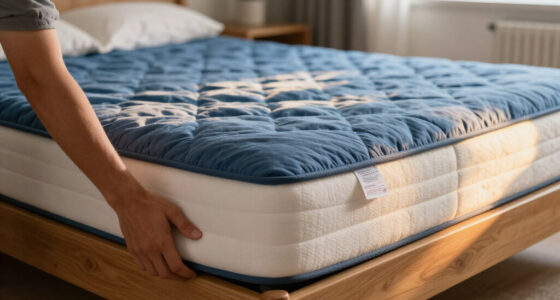
For larger household items and surfaces, the report suggests replacing a mattress after seven to 10 years and redoing grout after five to 10 years. A sagging mattress may have lost support, while grout that has pulled away or deteriorated can leave areas vulnerable to water damage, according to designer Rebekah Zaveloff. These intervals do not replace inspection: the report advises responding to damage or signs of wear rather than relying on age alone.
How Wear Can Affect Home Safety
The practical concern is not appearance alone. A detector that has lost sensitivity could delay an alarm during an emergency, while damaged grout may allow water to reach surrounding materials. A dirty HVAC filter can affect system operation and allow more dust and allergens to circulate, the report says. Replacing items when needed can help homeowners address safety and maintenance risks before they become more serious.
These recommendations can also help households plan upkeep instead of waiting for a failure. But the intervals are not a substitute for product-specific guidance: manufacturer instructions and an item’s actual condition should shape the decision, particularly for safety devices and home systems.
Products Worth Considering

Levoit Vital 100S-P Air Purifier with Washable Pre-Filter

Coway Mighty Air Purifier AP-1512HH(W), White

Blueair Blue Pure 211i Max Smart Air Purifier for Large Rooms
As an affiliate, we earn on qualifying purchases.
The Report’s Suggested Timelines
The supplied House Beautiful report says its recommendations draw on comments from interior designers and household-care advice. It quotes designers on towels, mattresses, grout, and bedding, and refers to Energy Star and HVAC maintenance experts for filter checks. The report also cites a 2024 SafeHome.org study that found shower curtains had the most germs among the bathroom surfaces it examined, including toilet seats. The study’s methods and detailed findings are not included in the supplied material.
Alongside replacement, the report suggests maintenance to extend usable life: wash shower liners about every three months, allow towels to dry between uses, use a mattress protector and vacuum the mattress, and check HVAC filters monthly. Designer Linda Hayslett also recommends avoiding excessive detergent on towels and says vinegar in the rinse cycle can help keep them soft. These are attributed care suggestions, not guarantees that an item can safely be kept for a particular period.
““Even the most gorgeous spaces lose their charm if we forget to update essentials.””
— Linda Hayslett, principal designer at LH.Designs
Where the Advice Has Limits
The supplied material does not identify the publication date or provide the full methods for the cited SafeHome.org study. It also does not include all 14 items named in the headline: the source text provided here ends during its HVAC-filter section. The intervals should be treated as general recommendations, not universal standards; detector replacement schedules vary by model, and household conditions can affect the useful life of fabrics, mattresses, and filters.
The report does not provide product-by-product testing or a single authority that sets every replacement interval. Readers should check instructions for their specific products and seek qualified advice when a concern involves a home system or potential water damage.
Check Labels and Inspect Items
Homeowners can start by checking alarm labels and manufacturer instructions, testing detectors monthly, and replacing batteries on the schedule advised for their device. Monthly HVAC-filter checks can show whether a filter needs changing before the suggested interval. For towels, pillows, mattresses, and grout, the report points readers to condition as well as age: persistent odor, lost shape, sagging, or visible deterioration are reasons to assess an item sooner.
The supplied report does not announce a follow-up study or a new replacement standard. The next step for readers is to compare the recommendations with their own product instructions and inspect items that show wear.
Key Questions
How often does the report recommend replacing smoke and carbon monoxide detectors?
The report gives a general range of five to 10 years, but says timing varies by manufacturer. Check the instructions for your model, test alarms monthly, and replace batteries yearly as advised in the report.
How often should HVAC filters be changed?
The report suggests checking filters monthly and replacing them every three months. It says a filter that looks especially dirty may need more frequent replacement; follow the filter and system manufacturers’ directions.
What signs suggest a mattress or pillow should be replaced?
The report lists a mattress replacement interval of seven to 10 years and says sagging is a clear sign to consider a new one. For pillows, it suggests one to two years and says loss of shape is a reason to replace one.
Does the report say these timelines are fixed rules?
No. They are general suggested intervals. Product instructions, visible condition, use, and household circumstances can change when replacement is appropriate.
Source: housebeautiful.com