TL;DR

Get decor and gifts delivered free with Prime
- Fast, free delivery on millions of items
- Prime Video, Amazon Music and more included
- Member-only deals all year
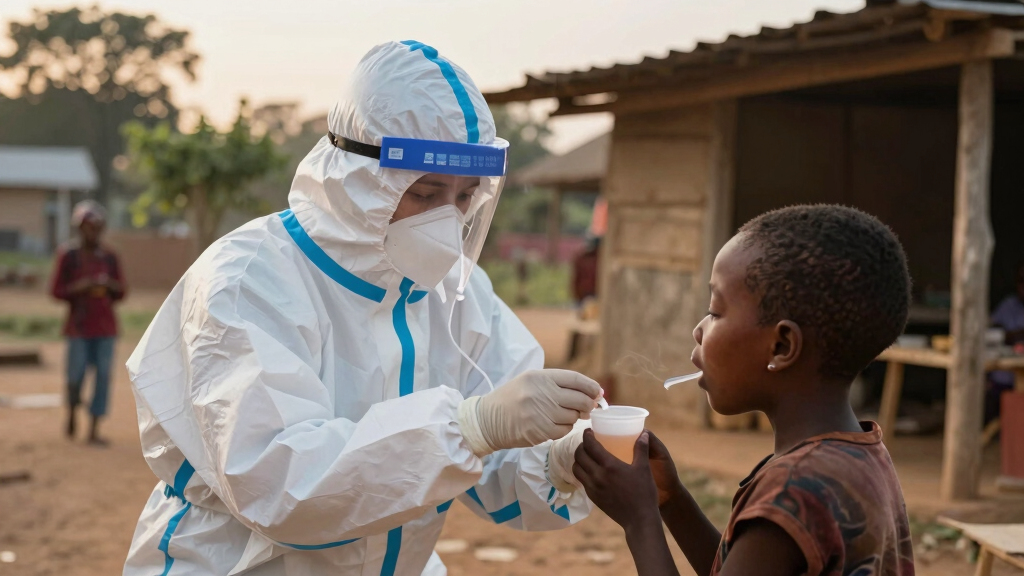
Ebola cases in the Democratic Republic of the Congo have exceeded 1,000, with UNICEF warning that millions of children are at risk. The outbreak continues to spread, prompting international concern and response efforts.
More than 1,000 Ebola cases have been confirmed in the Democratic Republic of the Congo, marking a significant escalation of the outbreak, according to health authorities. UNICEF has warned that millions of children are at heightened risk due to the spread of the virus, underscoring the urgent need for increased international aid and intervention.
The Democratic Republic of the Congo’s health ministry announced that the number of confirmed Ebola cases has now exceeded 1,000, with the outbreak continuing to expand across several provinces. The outbreak, which began earlier this year, has resulted in over 600 deaths so far, according to the latest official figures.
UNICEF has issued a warning that approximately 20 million children in the affected regions are vulnerable to infection, malnutrition, and disruption of essential services. The organization emphasized that ongoing transmission, coupled with limited healthcare access, exacerbates the risk to children’s health and safety.
Implications of the Rising Ebola Caseload
The surge past 1,000 cases highlights the severity of the outbreak and the challenges faced in containment efforts. The risk to children is particularly concerning because they are more vulnerable to severe illness and death from Ebola. This situation could strain the already fragile healthcare infrastructure in the region and hinder efforts to control the virus, potentially leading to further spread.
Products Worth Considering

Philips Hue Essential Starter Kit with Bridge and 4 E26 Smart Bulbs

Ring Alarm Pro 14-Piece Home Security Kit with Built-In eero Wi-Fi 6 Router

Philips Hue White and Color Ambiance Smart Light Starter Kit, 2 A19 Bulbs with Hub
As an affiliate, we earn on qualifying purchases.
Ebola Outbreak History and Current Response
The current Ebola outbreak in DRC was declared earlier this year, following a series of confirmed cases in North Kivu and Ituri provinces. Historically, DRC has experienced multiple Ebola outbreaks, with the last major epidemic in 2018-2020. International agencies, including WHO and UNICEF, have been supporting vaccination campaigns, contact tracing, and community engagement efforts, but challenges remain due to insecurity and logistical hurdles.
“The situation remains critical, and we are doing everything possible to contain the spread of Ebola. However, the rising number of cases underscores the need for more resources and community cooperation.”
— Dr. Jean-Marc Kabund, DRC Health Minister
Unconfirmed Factors and Ongoing Challenges
It is not yet clear how the outbreak will evolve in the coming weeks, especially given ongoing security issues and logistical constraints that hamper vaccination and treatment efforts. The true number of cases may be higher due to underreporting in remote or insecure areas. Additionally, the impact of new variants or mutations remains unknown at this stage.
Next Steps in Outbreak Control and Humanitarian Response
Health authorities and international agencies are expected to intensify vaccination campaigns, improve contact tracing, and mobilize additional resources. Monitoring the outbreak’s trajectory will be critical, along with efforts to address security and logistical barriers. Further updates are anticipated as new data become available and response strategies evolve.
Key Questions
How many Ebola cases have been confirmed in DRC?
Over 1,000 cases have been confirmed so far, with ongoing updates from health authorities.
Why are children particularly at risk?
Children are more vulnerable to severe illness and death from Ebola, and the outbreak disrupts essential health and nutrition services for them.
What is being done to control the outbreak?
Efforts include vaccination campaigns, contact tracing, community engagement, and support from international agencies like WHO and UNICEF.
What are the main challenges faced in containment?
Security issues, logistical difficulties, and limited healthcare infrastructure complicate containment efforts and vaccine deployment.
What can the international community do?
Increase funding, provide logistical support, and bolster local health systems to improve outbreak response and protect vulnerable populations.
Source: google-trends