
TL;DR

Get decor and gifts delivered free with Prime
- Fast, free delivery on millions of items
- Prime Video, Amazon Music and more included
- Member-only deals all year
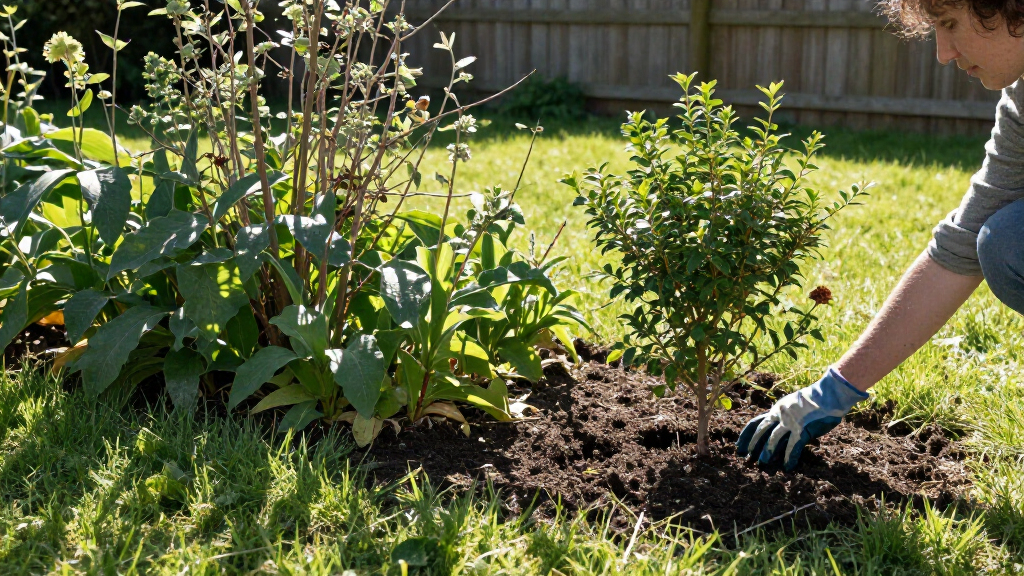
Garden experts cited by Ideal Home recommend native hedging, particularly a well-managed mix built around hawthorn, to provide food and shelter for wildlife in UK gardens. Hedges can also offer shade and habitat connections; claims about pollution reduction and water retention are attributed to an environmentalist, not presented as quantified results.
Garden experts are recommending native hedging, including hawthorn, hazel and holly, as a way to give wildlife food and shelter while adding shade to UK gardens. In a report for Ideal Home, environmentalist Nick Mann advocated a well-managed mixed native hedge, while horticultural expert Richard Barker described how dense hedges can provide nesting cover and places for small animals and insects to shelter.
Mann, founder of Somerset environmental organisation Habitat Aid, said hedges can help wildlife move between separated habitats. He described native hedges as a varied habitat that can provide blossom, nuts, berries and food for moth and butterfly larvae, as well as cover for small nesting birds and amphibians. The report also points to established hedges as sources of shade and cooler spaces during hot weather.
Hawthorn is presented as a leading choice because it grows quickly, produces spring blossom and develops red berries, known as haws, in autumn. Barker, commercial director of LBS Horticulture, said its dense, thorny growth can offer birds a protected nesting place. The report also identifies holly for year-round cover and hazel for nuts, alongside other possible additions such as dogwood, buckthorn and honeysuckle.
Mann recommends mixing native species in small groups and cautions against using blackthorn in a garden hedge because it can spread aggressively by suckering. The report says traditional hedge laying can help maintain dense growth near the ground, rather than allowing a hedge to become a line of trees with gaps below. Barker advises attempting the technique only on a small section, during the dormant season from October to March, and says people without experience should seek professional advice.
Hedges Add Food, Cover and Shade
Hedges can function as more than property boundaries: a dense, mixed planting may provide several kinds of habitat within a garden and a route between green spaces. That matters where wildlife habitats are fragmented, as Mann said hedges can connect them. Seasonal food and protective cover may be useful to birds, insects and other small animals, while shade can offer cooler places during summer heat.
Mann also said hedges can trap larger air-pollution particles, absorb carbon dioxide and help soil hold water through their roots. These are expert statements in the report, not measurements of the effect of a particular hedge or a guarantee that a garden planting will reduce local pollution or flooding. The practical impact will depend on the hedge, its location and how it is managed.
native UK hedge plants for wildlife
As an affiliate, we earn on qualifying purchases.
As an affiliate, we earn on qualifying purchases.
Native Species for UK Gardens
In the report, “native hedging” refers to hedge plants native to the UK, with hawthorn and hazel given as examples. The experts’ case for these plants combines their suitability to UK conditions with the food and cover they can offer wildlife. The article places the advice amid wider interest in wildlife-friendly gardening, but its main recommendation is to treat the hedge as part of a garden’s habitat rather than add wildlife features in isolation.
Species can contribute different features across the year. According to Mann, hawthorn flowers in April and May and bears red haws in autumn; he also points to myrobalan for early blossom, dogwood for autumn colour and buckthorn as food for brimstone butterflies. Barker notes that fallen hedge leaves can shelter insects and small animals over winter. These benefits vary by plant species and site.
“We recommend a well-managed mixed native hedge.”
— Nick Mann, environmentalist and founder of Somerset B Corp Habitat Aid
As an affiliate, we earn on qualifying purchases.
Benefits Depend on Site and Care
The supplied report does not provide comparative trials, measurements or a specific study to show how much a native hedge reduces air pollution, absorbs carbon dioxide, limits flooding or cools a garden. Mann’s statements about those effects should be read as attributed expert claims rather than quantified outcomes. The report also does not specify how quickly a newly planted hedge would create useful wildlife habitat, or how results vary with soil, climate, hedge size and maintenance.
There is no single planting mix given for every garden. The recommended species and hedge-laying approach may need to change with local conditions, available space and the intended boundary. The source advises professional input for complex work or where the gardener lacks experience.
As an affiliate, we earn on qualifying purchases.
Plan Planting and Hedge Care
Gardeners considering a hedge can first check which native species suit their site and decide whether a mixed planting fits the space. The report’s experts favour a managed mix, with hawthorn as a common component, and advise allowing for the different flowers, berries and growth habits of each species. Anyone planning to lay an established hedge should follow the stated dormant-season timing and seek advice if the work is unfamiliar or complex.
The report does not announce a new policy, formal programme or further research milestone. Its immediate next step for readers is practical: choose suitable plants, maintain the hedge so it remains dense near the ground, and treat expected wildlife or environmental benefits as dependent on the planting and its care.
As an affiliate, we earn on qualifying purchases.
Key Questions
Which native hedge plant does the report recommend most?
Hawthorn is presented as a leading option because it grows quickly, offers spring blossom and produces red haws in autumn. The experts also recommend considering a mix of native species rather than relying on one plant.
What wildlife can a native hedge support?
According to the experts cited by Ideal Home, hedges can offer nesting cover for birds, food for insects and birds, and shelter for small animals and amphibians. The species present and the hedge’s condition affect what it can support.
Does the report show how much hedges reduce pollution?
No. Mann said hedges can trap larger air-pollution particles and absorb carbon dioxide, but the supplied report includes no measurements or quantified results for those effects.
When should a hedge be laid?
Barker advises carrying out hedge laying during the dormant season, from October to March, and trying a small section first. He recommends professional advice for people without experience or for complex hedges.
Source: rss
Fall Picks
fall essentials
As an affiliate, we earn on qualifying purchases.