
TL;DR

Get decor and gifts delivered free with Prime
- Fast, free delivery on millions of items
- Prime Video, Amazon Music and more included
- Member-only deals all year
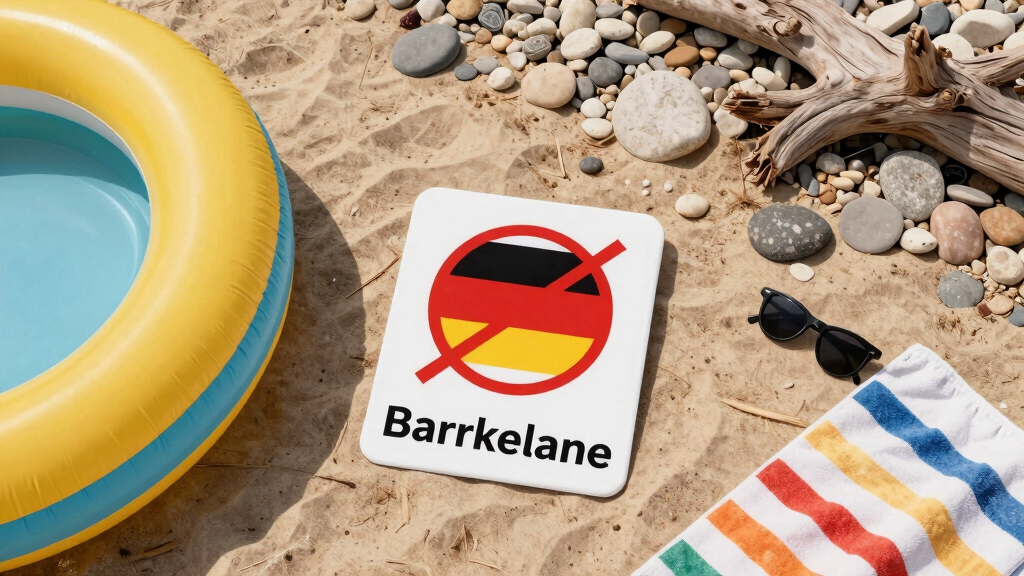
A swimming lake in Germany has banned non-German speakers from using its facilities, prompting criticism over discrimination. The lake authorities cite safety and communication concerns. The controversy highlights tensions over inclusivity in public spaces.
A swimming lake in Germany has implemented a ban on non-German speakers, sparking criticism from local communities and human rights advocates. The policy, which restricts access based on language, raises questions about discrimination and inclusivity in public recreational spaces.
The lake authorities announced the new policy last week, citing safety concerns and the need for clear communication during emergencies. The ban specifically targets visitors who do not speak German, effectively excluding tourists and international visitors who do not meet the language requirement.
Local residents and advocacy groups have condemned the decision, arguing that it discriminates against non-German speakers and violates principles of equal access. The policy has also drawn attention from human rights organizations, which are calling for its reversal.
Officials from the lake management have defended the measure, stating that it is necessary for safety reasons. They claim that language barriers could hinder emergency response and safety instructions, especially during incidents in the water. However, they have not provided detailed evidence supporting this claim.
Legal and Ethical Implications of the Language Ban
This controversy underscores broader debates about discrimination and inclusivity in public spaces within Germany, especially amid increasing international tourism. The policy risks legal challenges under anti-discrimination laws and could impact Germany’s reputation as a welcoming destination.
It also raises questions about how public facilities balance safety concerns with the rights to equal access. The decision could influence policies at other recreational sites if similar arguments are used to justify exclusion based on language.
Products Worth Considering

Bose SoundLink Plus Portable Bluetooth Speaker, Black

Philips Hue White and Color Ambiance Smart Light Starter Kit with Bridge and 4 A19 Bulbs

Ring Alarm 8-Piece Kit (2nd Gen) Home Security System
As an affiliate, we earn on qualifying purchases.
Recent Trends in Discrimination and Public Policy in Germany
Germany has seen ongoing debates over integration, multiculturalism, and discrimination, particularly following increased migration and tourism. While some authorities emphasize safety and order, critics argue that exclusionary policies can deepen social divides.
The specific case of the swimming lake is part of a wider context of local authorities sometimes adopting restrictive measures, citing safety or security, which are challenged by civil rights groups. The policy’s announcement follows similar controversies over language and access in other public venues.
“This policy is a clear example of discrimination based on language. It violates principles of equality and inclusivity in public spaces.”
— Human rights advocate Lars Schmidt
Legal Status and Future of the Language Restriction
It is not yet clear whether the policy will withstand legal challenges or if authorities will modify or revoke it following public protests. The legal framework regarding discrimination and access in public spaces remains complex, and no official court rulings have been issued yet.
Potential Legal Challenges and Public Response
Legal challenges from advocacy groups are expected, possibly leading to court rulings that could overturn the policy. Public protests and diplomatic discussions may also influence the lake authorities’ decisions. Further statements from officials and legal assessments are anticipated in the coming weeks.
Key Questions
Why did the lake implement a ban on non-German speakers?
The lake authorities cited safety concerns and the need for clear communication during emergencies as reasons for the policy.
Is this policy legally enforceable under German law?
The legality of the ban is uncertain; it may face legal challenges under anti-discrimination laws, and no court rulings have been made yet.
How has the public reacted to this policy?
Many local residents and advocacy groups have criticized the ban as discriminatory, while some officials defend it on safety grounds.
Could this policy affect tourism in the region?
Potentially, if the policy is perceived as discriminatory, it could harm the region’s reputation as a welcoming destination, impacting tourism and local economy.
What are the next steps for this controversy?
Legal challenges are expected, and authorities may revise or revoke the policy based on public and legal responses. Further official statements are anticipated soon.
Source: google-trends