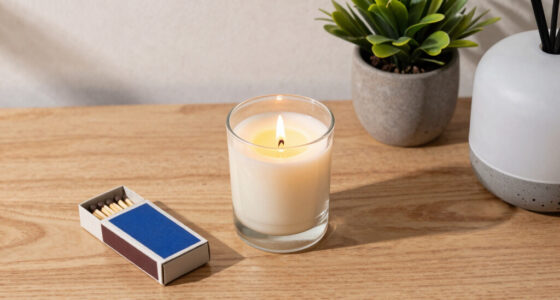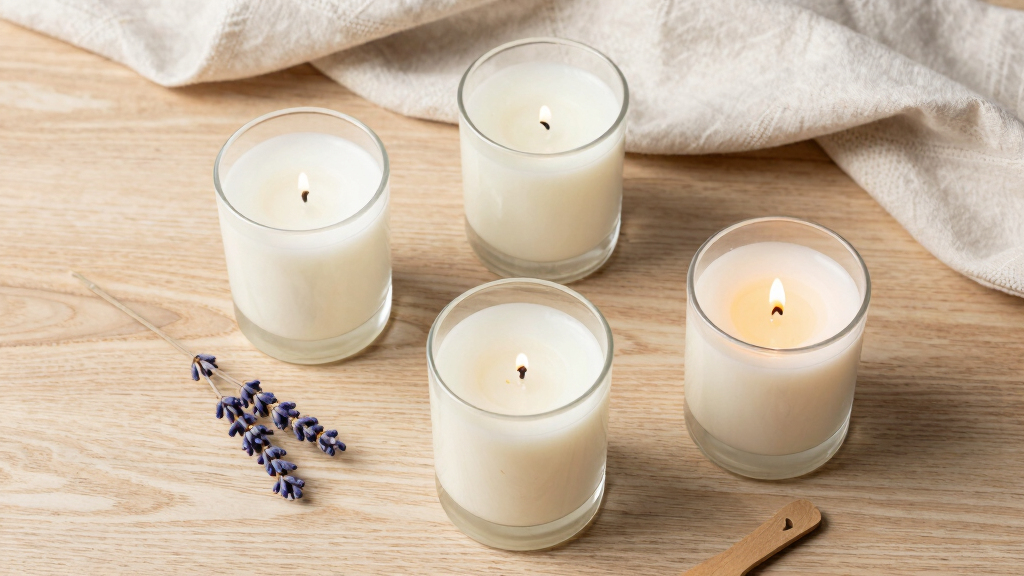

TL;DR
Many candles smell intensely when unlit but lose their scent when lit due to issues like fragrance oil quality, wick size, and curing. Proper selection and burning techniques can enhance hot scent throw for a richer experience.
Ever lit a candle and felt the scent fade away faster than a whiff of perfume. Yet, when unlit, it fills the room with a powerful aroma. That disconnect isn’t just frustrating — it’s rooted in how candles are made and how they release their fragrance. If you’ve ever wondered why your favorite scent seems to vanish when lit, you’re not alone. This guide will uncover the hidden reasons behind that sneaky scent fade and show you how to get your candles to smell just as strong hot as they do cold.
Whether you’re a candle lover or a DIY enthusiast, understanding what influences scent throw can turn your candle experience from disappointing to delightful. Let’s explore what’s really going on behind the scenes, and how you can fix it.
The Hidden Reason Some Candles Smell Strong Cold but Weak When Lit
That powerful jar aroma is only cold throw. The real test begins when heat, wax, wick, fragrance oil, curing time, and room airflow all have to work together to move scent into the air.
Cold scent is the promise. Hot throw is the engineering.
A candle can smell rich on the shelf yet fade after lighting when the fragrance oil does not vaporize cleanly, the wax holds scent too tightly, or the wick never builds a full melt pool.
Why Cold Throw Tells Only Half the Story
Cold scent is fragrance evaporating passively from solid wax. Hot throw depends on controlled heat: enough melt pool, compatible oil, the right wax structure, and steady air movement.
Strong cold scent can hide poor vaporization.
Cheaper or incompatible oils may smell intense in the jar but fail to disperse evenly once the candle is burning.
Some waxes hold scent tighter than expected.
Soy, beeswax, paraffin, and palm all retain and release fragrance differently, especially after curing.
A small flame can trap aroma in the jar.
An undersized wick, short burn session, or draft can prevent a full melt pool and weaken scent release.
The Scent Release Chain
Hot throw is not one ingredient. It is a sequence. When one link is weak, the candle can smell impressive cold and disappoint once lit.
Oil
Fragrance must be candle-safe and formulated for heated vapor release.
Wax
The wax needs enough fragrance load while still releasing scent as it melts.
Cure
Rest time lets fragrance settle into the wax matrix before the first burn.
Wick
The flame must create the right heat zone and a full melt pool.
Room
Drafts, container size, and airflow shape how scent travels.
What Most Improves Hot Throw
The best results come from matching fragrance oil, wax, wick, cure time, and burn habits. Adding more oil alone is often the least elegant fix.
Cold Throw vs Hot Throw Diagnosis
If a candle smells bold before lighting but faint afterward, use the pattern below to find the likely bottleneck.
| Symptom | Likely Cause | Best Fix | Result |
|---|---|---|---|
| Strong jar scent, weak room scent | ✕Oil does not vaporize well when heated. | Choose fragrance oils made specifically for candle hot throw. | ✓Cleaner scent diffusion. |
| Small melt pool after one hour | ✕Wick is too small or flame is under-heating the wax. | Resize the wick and trim it consistently before burns. | ✓More wax surface releases fragrance. |
| Great first smell, fast fade | ~Short cure or uneven fragrance bonding. | Cure at least 48 hours, ideally 2-4 weeks. | ✓More stable hot scent. |
| Good candle, poor performance in room | ~Drafts, open space, or cool container walls. | Burn in a calmer area and let the melt pool fully develop. | ✓Better scent travel. |
The Practical Burn Formula
A richer hot scent usually comes from small, disciplined choices rather than one dramatic change.
Hot Throw Stack
Do not judge by the lid test alone.
Cold scent proves fragrance is present, not that it will release under flame.
Do not overcorrect with excess oil.
Too much fragrance can cause sweating, poor combustion, and weaker performance.
Do protect the first burn.
A complete melt pool helps prevent tunneling and unlocks a larger scent surface.
Trace the Fix From Jar to Room
The hidden reason is usually a release problem. Follow the chain from formulation through burning before blaming the scent itself.
Fast Answers
Use these quick checks when a candle disappoints after lighting.
Why does it smell strong cold but weak lit?
The scent may be present in the wax but not releasing effectively because of oil quality, wick size, wax type, curing, or poor burn conditions.
How long should candles cure?
At least 48 hours is a practical minimum. Many wax and fragrance combinations perform better after two to four weeks.
Are soy and beeswax worse?
No. Natural waxes can perform well with the right fragrance, wick, cure time, and burn technique, though paraffin often releases scent easily.
What is the easiest improvement?
Trim the wick, burn long enough for a full melt pool, avoid drafts, and buy candles made with quality fragrance oils.
Key Takeaways
- High-quality fragrance oils designed for candles significantly improve both cold and hot scent throw.
- Proper curing time — at least 48 hours up to several weeks — enhances scent release when lit.
- Wick size and trimming are critical; an undersized wick or improper burn prevents full wax melting and scent dispersal.
- Choosing the right wax and container can boost heat retention, leading to a richer hot scent.
- Small technical adjustments can turn a weak hot scent into a room-filling aroma — patience and technique matter.

Premium Fragrance Oil Set for Candle Making, Soap, Wax Melts and Diffusers
- Versatile for Home & DIY: Suitable for candles, soaps, wax melts, and diffusers
- Rich, Long-Lasting Fragrance: Highly concentrated oils with lasting scent
- Ideal for Candle Making & Crafts: Enhances DIY projects with strong, smooth scents
As an affiliate, we earn on qualifying purchases.
As an affiliate, we earn on qualifying purchases.
Why Your Candle’s Cold Scent Is Not the Whole Story
The cold scent of a candle is what you smell when it’s unlit — the fragrance that’s embedded in the wax. But that’s just the surface. The real magic happens when you light it, and that’s where many candles fall flat.
Imagine opening a jar of freshly baked cookies. The rich, dark aroma hits you immediately. You expect that same intensity when you light your candle. But often, the scent barely registers. This mismatch comes down to how fragrances are formulated and how they behave during burning.
Understanding these factors is crucial because it affects your overall experience. If your candle’s hot throw is weak, it may seem like a flaw, but it often reflects deeper issues like how the fragrance interacts with the wax and environment. For example, a fragrance that vaporizes slowly or unevenly will produce less scent when lit, regardless of its cold scent strength. Recognizing this helps you choose better products and optimize your burning habits to maximize scent release, making your investment in candles more rewarding.
- Fragrance Oil Quality: Cheaper oils might smell great cold but don’t vaporize well when heated, meaning less scent is released at the optimal time.
- Wax Type: Some waxes hold scent tightly but don’t release it efficiently when warmed, which affects the hot throw more than the cold.
- Burning Conditions: Insufficient burn time or drafts can prevent full scent dispersion, leaving your candle smelling faint even when lit.
By understanding these factors, you can make informed choices about the products you buy and how you burn them, leading to a richer scent experience and less disappointment when lighting your favorite candles.
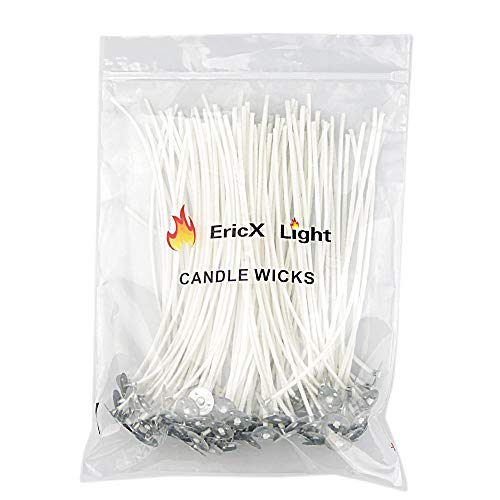
EricX Light 100 Piece Natural Candle Wick, Low Smoke 6" Pre-Waxed & 100% Natural Cotton Core,For Candle Making,Candle DIY
- Pre-waxed and tabbed wick: Pre-waxed and ready to use
- Wick length: 6 inches long
- Base diameter: 12.5mm diameter
As an affiliate, we earn on qualifying purchases.
As an affiliate, we earn on qualifying purchases.
The Secret Power of Good Fragrance Oils and Proper Curing
High-quality fragrance oils are the backbone of a candle that smells just as good when lit as it does when unlit. These oils are specially formulated to vaporize evenly and disperse scent molecules into the air, which directly impacts the intensity and consistency of your candle’s aroma. Using subpar oils might give you a strong cold scent, but when lit, the scent molecules don’t vaporize efficiently, resulting in a weak hot throw.
For example, a boutique candle using a top-tier oil might have a cold scent that’s faintly sweet and spicy, but once lit, it fills the room with the aroma of cinnamon and vanilla—rich and immersive. This occurs when the fragrance oil is compatible with the wax and the candle is cured properly. The curing process is like giving the fragrance molecules time to settle into the wax matrix, ensuring they can vaporize effectively when heated. Without proper curing, much of the fragrance remains trapped, and the candle’s aroma when lit is much weaker than expected.
Understanding the importance of quality oils and curing helps you avoid the frustration of weak hot scent throw. It’s a tradeoff: investing in better oils and patience during curing can dramatically improve your candle’s performance, making it a more satisfying sensory experience. Remember, the right combination of these factors ensures your candle’s scent is consistent from cold to hot, enriching your environment rather than just smelling good unlit.
Here’s what you should do:
- Use fragrance oils designed specifically for candles, ensuring they vaporize properly during burning.
- Cure your candles in a cool, dark place for at least 2 days, ideally 2-4 weeks, to allow scent molecules to bond with the wax.
- Store candles in airtight containers during curing to prevent scent loss and contamination.
By paying attention to these details, you’re investing in a better scent experience that lasts from the moment you light your candle to the last flicker of flame.

RONXS 3 in 1 Candle Wick Trimmer Set, Snuffer, Dipper, Cutter, Black
- Candle Maintenance Set: Includes trimmer, snuffer, dipper, cutter
- Prevents Soot and Wax Spills: Trim wicks, snuff candles safely
- Durable Construction: Made of polished stainless steel
As an affiliate, we earn on qualifying purchases.
As an affiliate, we earn on qualifying purchases.
Understanding the Science of Scent Release
To truly enhance your candle’s hot scent throw, it’s helpful to understand the science behind scent release. When a candle is lit, heat causes the fragrance oils embedded in the wax to vaporize. The efficiency of this process depends on the molecular properties of the fragrance and how well it interacts with the wax matrix. Some fragrances are designed to vaporize at lower temperatures, providing a more immediate and intense hot throw, while others require higher heat to release their scent fully.
Moreover, the wax composition influences how heat is distributed and retained. Paraffin wax, for example, tends to melt evenly and quickly, promoting better scent dispersion. Natural waxes like soy or beeswax may melt more slowly or unevenly, which can reduce hot scent performance if not managed properly. This is why choosing the right wax is crucial for achieving a strong hot throw.
Understanding these scientific principles allows you to select candles that are engineered for better scent performance. It also highlights the importance of proper wick size and burn time, as these factors influence the temperature and melting pattern, directly affecting scent vaporization. When you combine quality fragrance oils, the right wax, and correct burning techniques, you optimize the scent release process, resulting in a richer, more consistent fragrance experience from cold to hot.
In essence, mastering the science of scent release empowers you to make smarter choices and troubleshoot issues, leading to a more satisfying candle experience.

Our Own Candle Company Hot Buns Cinnamon Bun Mason Jar Candle, 13 oz
- Scent Description: Creamy icing on hot cinnamon buns
- Wax Type: Specially blended soy and paraffin wax
- Jar Size: 13 oz mason jar
As an affiliate, we earn on qualifying purchases.
As an affiliate, we earn on qualifying purchases.
Frequently Asked Questions
Why does my candle smell strong when cold but weak when lit?
This often happens due to low-quality fragrance oils, improper wick size, or insufficient curing. The scent is in the wax but isn’t being released effectively when lit. Improving these factors can boost hot scent throw.How long should I cure my candles for the best scent throw?
Curing times vary by wax and fragrance oil but generally range from at least 48 hours to several weeks. Longer curing helps the fragrance bond with the wax, resulting in a stronger hot scent.What’s the easiest way to improve my candle’s hot throw?
Use high-quality fragrance oils, trim your wick properly, burn long enough for a full melt pool, and store your candles in airtight containers during curing. Small adjustments make a big difference.Are natural waxes like soy or beeswax worse for scent throw?
Not necessarily. Soy and beeswax can perform very well if formulated correctly and properly cured. Paraffin generally offers the best hot and cold scent throw, but natural options can be just as effective with proper technique.Can I add more fragrance oil to improve scent throw?
You can, but only within recommended levels. Excess fragrance can cause sweating, poor burning, or safety issues. Always follow manufacturer guidelines for best results.Conclusion
Remember, a candle’s scent isn’t just about the fragrance oil but how you treat it. Proper curing, wick selection, and burning technique unlock the full potential of your favorite aromas. Next time you light up, think of it as a small ritual — a way to coax every ounce of scent from your candle.
Good candles are like good stories — they reveal their best when given the right environment and patience. So, choose wisely, burn thoughtfully, and enjoy a richer, warmer scent experience every time.