
TL;DR
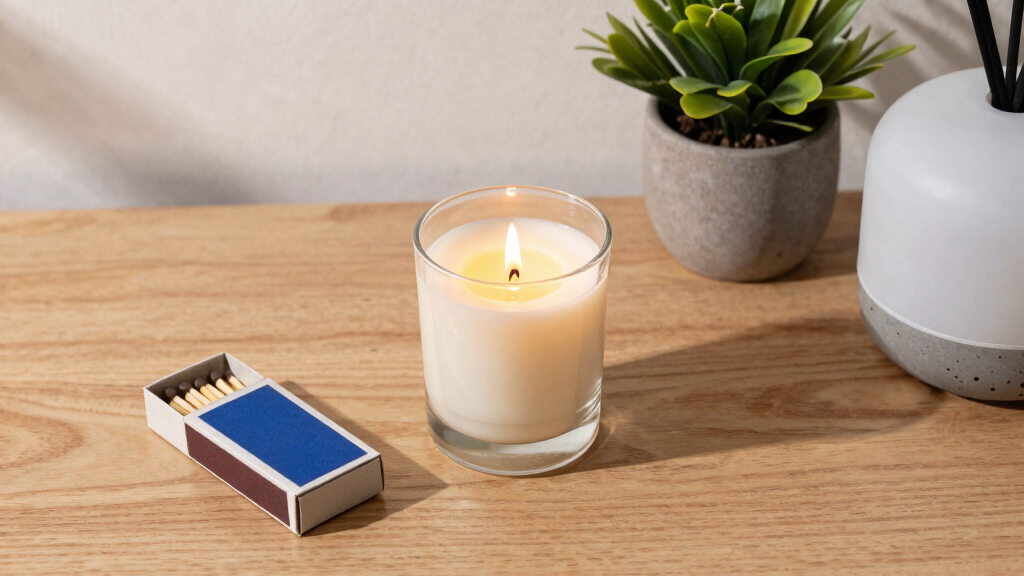
Candle throw is how well a candle disperses scent. Cold throw shows what’s in the wax unlit, while hot throw reveals scent when burning. Both matter for a good candle experience.
Ever lit a candle and wondered why the scent doesn’t fill your room, even though it smells strong when unwrapped? Or why some candles seem to lose their aroma after a few uses? Understanding what candle throw really means can clear up these confusions.
In this guide, you’ll learn how to interpret both cold and hot throw, what influences scent dispersion, and how to tell whether your candle’s scent issues are about quality, burning habits, or your space itself. Get ready to stop blaming the scent and start understanding what’s really behind it.
What Candle Throw Really Means Before You Blame the Scent
TL;DR: Candle throw is how well a candle disperses fragrance. Cold throw is what you smell in the wax before lighting; hot throw is what fills the room while burning. A beautiful scent can still underperform if wax, wick, burn habits, or room conditions are working against it.
Scent performance is a system, not a single sniff test.
Enough time for a full melt pool and stronger hot throw.
Typical fragrance oil range used for scented candles.
The aroma you notice when opening the jar or walking past the candle.
The fragrance released as wax melts and scent travels through the room.
A trimmed wick supports a steadier flame and cleaner scent release.
Large, airy spaces dilute scent faster than smaller enclosed rooms.
Cold Throw Is Not a Promise
A strong first impression can tell you fragrance is present, but it cannot prove the candle will perform when lit. Hot throw depends on melt pool, wax blend, wick sizing, airflow, and how long the candle burns.
Jar-open aroma
This is the scent released from solid wax. It helps you judge fragrance style, but not full room performance.
Room-filling aroma
This appears when melted wax carries fragrance upward through the flame and into the surrounding air.
Strong unlit, weak lit
That gap often points to wick, wax, burn time, or space conditions rather than a bad fragrance oil.
The Throw Chain
Think of scent dispersion as a connected chain. If one link is off, the candle may smell flat even when the fragrance itself is excellent.
Wax Holds
Wax type controls how fragrance is retained and released.
Wick Melts
The wick must create a wide, even melt pool without burning too fast.
Heat Releases
Warm wax allows fragrance molecules to travel into the room.
Room Carries
Room size, drafts, and ventilation decide how noticeable the scent becomes.
What Affects Scent Strength?
Hot throw is strongest when the candle’s build and your burning habits work together. These are the levers that usually matter before blaming the fragrance.
Wax Types Compared
Different waxes behave differently. Paraffin often throws strongly, soy can be excellent with the right load and wick, beeswax is naturally subtle, and coconut wax often performs beautifully while staying softer and sustainable.
| Wax Type | Cold Throw | Hot Throw | Best For | Watchout |
|---|---|---|---|---|
| Paraffin | ✓ Strong | ✓ Very strong | Maximum scent projection | Less eco-friendly profile |
| Soy | ~ Moderate | ~ Good | Cleaner natural burn | Needs good fragrance load |
| Beeswax | ✗ Weak | ~ Moderate | Subtle natural ambience | May mask added fragrance |
| Coconut | ~ Moderate | ✓ Excellent | Sustainable strong throw | Often blended for structure |
Diagnose the Real Problem
Before you decide the scent is weak, compare what happens unlit, lit, and across rooms. The pattern usually tells you where to look.
Strong cold, weak hot
Likely wick size, wax formulation, short burn time, or too much ventilation.
Weak cold, good hot
Not necessarily a problem. Some wax blends bloom once heated.
Weak cold, weak hot
Look at fragrance load, candle age, storage conditions, or low-quality oil.
Maximize Hot Throw
Most scent complaints can be improved by changing how the candle is burned and where it is placed. Start with the practical fixes before retiring the scent.
The burn ritual
Trim the wick to 1/4 inch, then burn long enough for the top layer to melt edge to edge. This prevents tunneling and gives fragrance a wider surface to release from.
The room test
The same candle can feel bold in a bathroom and invisible in an open-plan living room. Match candle strength to the space instead of judging it in only one room.
Trace the Scent Path
Aroma reaches you only after several decisions line up. This is the quick map from candle design to room experience.
Fragrance
Quality and percentage set the starting point.
Carrier
The wax holds and releases scent at its own pace.
Engine
The wick controls heat and melt pool size.
Travel
Ventilation spreads or dilutes the aroma.
Experience
Your room and habits decide the final impression.
Fast Questions, Better Answers
Use these quick checks when a candle smells different than expected.
Is strong cold throw enough?
No. It shows fragrance presence, but hot throw proves how well the candle performs while burning.
Why does scent fade over time?
Fragrance oils can evaporate or degrade, especially when candles are old, warm, uncovered, or stored in bright light.
Which candles suit big rooms?
Choose higher fragrance loads, stronger wax blends, larger vessels, or multiple candles for broad open spaces.
When should I blame quality?
If both cold and hot throw are weak after proper burning, the issue may be low fragrance load, poor oil, or weak formulation.
Key Takeaways
- Candle throw includes both cold (unlit) and hot (burning) scent dispersion, and both are vital for a good experience.
- A strong cold throw doesn’t guarantee a strong hot throw; they depend on different factors like wax and wick size.
- Proper burn time, wick trimming, and room size significantly influence scent performance.
- Different waxes and fragrance loads impact how well a candle disperses scent — choose based on your needs.
- Don’t blame the scent alone; consider candle quality, burn practices, and space conditions first.

Bath & Body Works Mahogany Teakwood Intense 3-Wick Candle – Scented Candle for At-Home Use – Long-Lasting, Room-Filling Fragrance – High Fragrance Oil Concentration – Soy Wax Blend
- Burn Time: Up to 45 hours of fragrance
- Fragrance Profile: Bold, woodsy with mahogany and teakwood
- Wick Type: Three lead-free wicks for even burn
As an affiliate, we earn on qualifying purchases.
As an affiliate, we earn on qualifying purchases.
What Is Candle Throw — And Why Should You Care?
Candle throw is simply how well a candle’s scent is dispersed throughout a room. It’s what makes you smell the aroma when you walk in or when the candle is unlit. Knowing the difference between cold and hot throw helps you judge a candle’s performance more accurately.
For example, a candle might smell amazing when you first unwrap it, but if it doesn’t fill your space when lit, it might not have a good hot throw. Conversely, a candle with weak cold throw might still deliver a satisfying scent when burning.
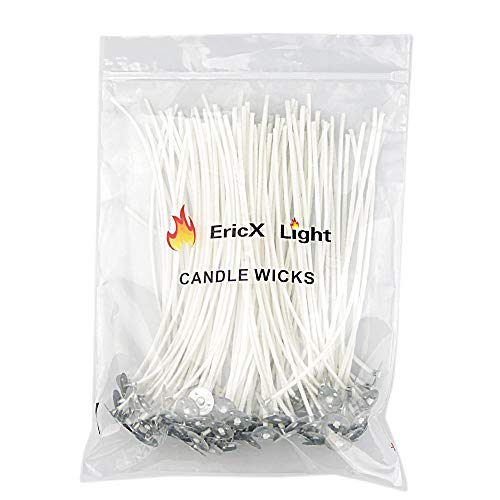
EricX Light 100 Piece Natural Candle Wick, Low Smoke 6" Pre-Waxed & 100% Natural Cotton Core,For Candle Making,Candle DIY
- Pre-waxed and tabbed wick: Pre-waxed and ready to use
- Wick length: 6 inches long
- Base diameter: 12.5mm diameter
As an affiliate, we earn on qualifying purchases.
As an affiliate, we earn on qualifying purchases.
The Two Sides of Candle Throw: Cold vs. Hot
Cold throw is the scent you notice when the candle is unlit. It’s like the perfume’s initial burst when you open the jar. Hot throw kicks in when you light the candle, dispersing fragrance as the wax melts and the wick draws scent upward.
Imagine opening a box of chocolates — the cold throw is that initial aroma, while the hot throw is how the scent wafts when you bite into a piece. Sometimes, a candle smells great unlit but underwhelms when burning, and vice versa.
Example: A soy candle might have a mild cold throw but produce a rich, enveloping scent when lit, thanks to its wax and fragrance blend.
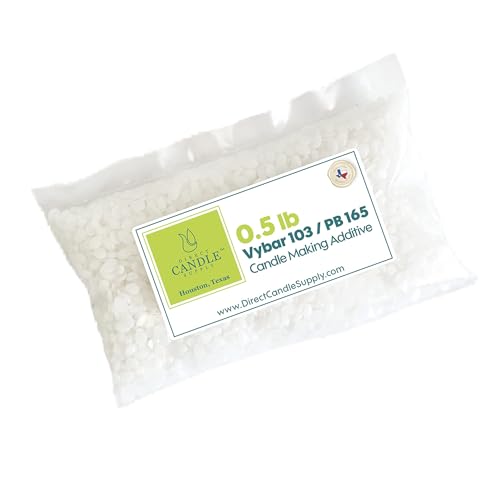
Direct Candle Supply Vybar 103 Wax Additive 0.5lb for Jar Candles
- Enhances Scent Throw: Improves fragrance release in candles
- Increases Heat Resistance: Raises wax melt point for durability
- Improves Candle Finish: Ensures smooth, glossy surface and dye dispersion
As an affiliate, we earn on qualifying purchases.
As an affiliate, we earn on qualifying purchases.
What Factors Affect How Well a Candle Disperses Scent?
Several key elements influence candle throw. Here’s a quick rundown:
- Wax Type: Paraffin tends to carry scent more easily than beeswax, but natural options like coconut wax can also perform well.
- Fragrance Load: The percentage of scent oil in the wax matters. A typical load is 6-10%; higher loads usually mean stronger throw.
- Wick Size & Type: Too small, and the flame won’t melt enough wax; too large, and it burns too fast. Proper sizing creates a full melt pool, maximizing scent release.
- Container Material & Size: Porous containers or larger rooms need more scent power to fill the space evenly.
- Room Conditions: Ventilation and size impact how scent travels. A small, closed room retains scent better than a large, airy space.
For example, a candle with a 10% fragrance load in a ceramic jar will likely smell stronger than the same scent in a small metal tin in a large, open room.
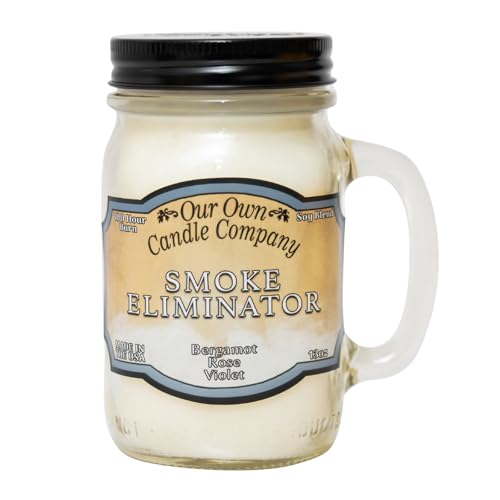
Our Own Candle Company Smoke Eliminator Odor Scented Mason Jar Candle
- Scent: Eliminates smoky, unpleasant odors
- Wax Composition: Specially blended soy and paraffin wax
- Size: 13 oz mason jar
As an affiliate, we earn on qualifying purchases.
As an affiliate, we earn on qualifying purchases.
Why Your Candle Might Smell Different When Lit
Many people notice a strong scent when unlit but find the aroma diminishes once burned. That’s because cold and hot throws depend on different factors.
Cold throw is about how much fragrance is in the wax itself — a high fragrance load translates to a noticeable scent even when unlit. Hot throw, however, depends on how well the wax melts and disperses scent during burning.
For instance, a candle might have a beautiful vanilla scent when unwrapped but only a faint aroma when burning due to wick size or wax formulation issues.
How to Maximize Your Candle’s Scent When Burning
If your candle’s hot throw isn’t matching expectations, try these steps:
- Trim the Wick: Keep it at ¼ inch for a clean, steady flame that melts wax evenly.
- Burn Long Enough: Let it burn until the top layer of wax is liquid—usually 2-4 hours. This prevents tunneling and helps scent disperse.
- Choose the Right Room: Smaller, enclosed spaces amplify scent; large rooms may need multiple candles.
- Keep the Candle Cared For: Store in cool, dark places to preserve fragrance oils. Old or improperly stored candles lose scent over time.
Imagine lighting a candle in a cozy bathroom versus a huge open-plan living room. The same candle can smell vastly different based on these factors.
Comparing Candle Types: Which One Has the Best Throw?
| Wax Type | Cold Throw | Hot Throw | Notes |
|---|---|---|---|
| Paraffin | Strong | Very strong | Best scent disperser, but less eco-friendly |
| Soy | Moderate | Good, but depends on fragrance load | Natural, cleaner burning |
| Beeswax | Weak | Moderate | Natural scent, often subtle |
| Coconut | Moderate | Excellent | Sustainable, great scent throw |
Choosing the right wax depends on your priorities — scent strength, eco-friendliness, or burn quality.
When Should You Worry About a Weak Scent?
If your candle smells strong when unlit but weak when burning, it’s often a sign of issues like wick size, wax quality, or burn time. Conversely, if both cold and hot throws are weak, the fragrance load or wax formulation might be the culprit.
For example, a candle with a high-quality fragrance oil but a tiny wick might produce a faint scent because the wax isn’t melting fully. Adjusting wick size or letting the candle burn longer can often fix this.
Remember: a poor scent throw isn’t a reflection of the scent itself but how the candle is made and used.
How to Pick a Candle That Actually Smells Good
Look for candles with high fragrance loads (around 8-10%) and quality waxes like coconut or soy. Check reviews for mentions of scent performance both when unlit and burning. A good candle should smell appealing in both states.
And don’t forget to consider your space. A powerful scent in a small room can be overwhelming, while a large room might need multiple candles or stronger formulations.
Test your candles by burning them long enough and trimming wicks regularly. Sometimes, it’s about tweaking your habits, not the candle itself.
Frequently Asked Questions
Why does my candle smell strong when unlit but weak when burning?
This often happens because cold throw depends on the fragrance oils in the wax, while hot throw relies on how well the wax melts and disperses scent during burning. A candle can smell great unlit but underperform when lit if the wick size or wax formulation isn’t optimal.
How can I improve my candle’s hot throw?
Use the correct wick size, burn the candle long enough (2-4 hours), and choose high-quality fragrance oils. Properly curing and storing your candles also helps preserve scent strength.
Is a strong cold throw a sign of a good candle?
Not necessarily. A candle might smell wonderful when unwrapped but still have a weak hot throw. Both aspects matter for overall scent performance.
Why do some candles lose scent over time?
Fragrance oils can evaporate or degrade, especially if stored improperly or if the candle is old. Proper storage in cool, dark places helps maintain scent quality.
What room size is best for a particular candle?
Larger rooms generally need candles with higher fragrance loads or multiple candles for effective scent dispersion. Small, enclosed spaces amplify scent more easily.
Conclusion
Understanding what candle throw really means helps you make smarter choices and enjoy your candles more. Remember, scent performance is a dance between wax, wick, and space — not just the fragrance itself. When in doubt, tweak your burning habits before blaming the scent.
Next time you light a candle, visualize the invisible cloud of aroma spreading out. That’s the real magic — or the real reason some candles surprise you.